
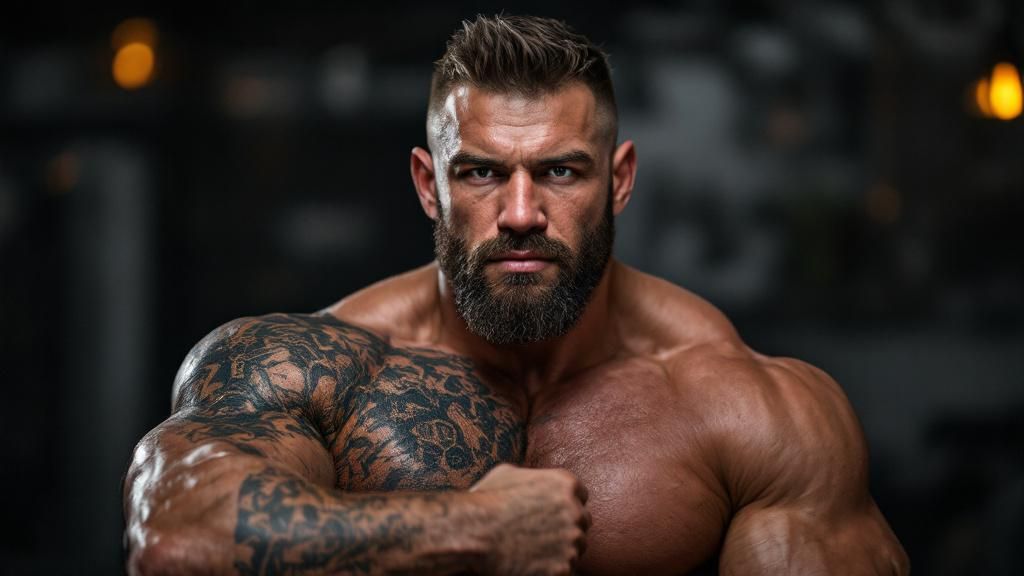
In an exclusive interview, a iconic heavyweight titleholder has unveiled the exact dietary framework that enabled him to achieve an record-breaking championship run. Well above conventional training regimens, his precisely developed eating strategy became the bedrock of his control within the boxing ring. This article explores the scientifically-proven nutrition methods, customised nutrition schedules, and supplement regimens that revolutionised his physical performance and mental resilience. Discover how purposeful energy management positioned him ahead of rivals and reshaped elite sporting performance.
The Cornerstone of World-Class Nutrition
The cornerstone of any champion’s success lies in understanding that nutrition transcends simply ingesting adequate calories. The ex-heavyweight titleholder recognised early in his career that elite performance demands a scientifically-informed approach to nutritional strategy. Rather than following generic nutritional guidelines, he collaborated with leading sports nutritionists to develop a customised plan matched to his specific metabolic requirements, training intensity, and recovery needs. This personalised methodology became the key differentiator between performing at elite standard and sustaining championship-level dominance.
Macronutrient distribution became a critical foundation in this nutrition strategy, with precise ratios of protein, carbohydrates, and fats designed to enable intense training sessions and facilitate maximum recovery. The champion kept comprehensive documentation of his dietary intake, modifying ratios based on training periods and event timetables. Protein consumption was specifically prioritised, enabling muscle repair and response following intense heavyweight training. This metrics-focused method transformed nutrition from trial and error into a trackable, regulated element that directly influenced his competitive results and competitive outcomes throughout his title period.
Consistency proved equally vital as the specific nutritional content itself. The champion treated his meal timing and composition with the identical commitment applied to technical boxing training. Rather than irregular dietary attempts, he upheld consistent nutritional rigour across all training phases. This ongoing dedication to nutritional excellence generated a compounding benefit, building enhanced muscle stamina, dynamic strength, and mental fortitude. Such dedication established a basis on which all subsequent training adaptations and competitive victories were built, demonstrating that elite-level dietary practice demands both knowledge and unwavering commitment.
Macronutrient Accuracy and Performance Optimisation
The champion’s nutritional strategy built around strict macronutrient ratios, tailored specifically to his exercise load and body’s energy demands. Rather than sticking with conventional dietary recommendations, he collaborated with professional nutrition specialists to determine specific protein, carbohydrate, and fat percentages. This tailored method guaranteed maximum energy supply during rigorous training sessions whilst retaining lean muscle mass. By measuring macronutrient intake with careful measurement, he achieved improved recuperation and maintained peak performance throughout gruelling championship campaigns.
Carbs timing proved especially important to his performance advantage, with carefully planned intake around workout periods maximising glycogen restoration and reducing fatigue accumulation. Protein intake was precisely determined to facilitate muscular recovery and adaptation, whilst healthy fats facilitated hormone synthesis and mental performance. This macronutrient orchestration wasn’t merely about caloric intake; it reflected a sophisticated understanding of how nutritional timing and composition directly influenced ring performance, endurance capacity, and the bodily adjustments required for championship-level competition.
Hydration, Recuperation and Event Day Procedures
Hydration underpinned of the champion’s performance approach, with liquid consumption carefully determined based on body weight and sweat rate analysis. Throughout training periods, he ingested electrolyte drinks at fifteen-minute intervals to preserve maximum efficiency. Race day procedures were equally rigorous, featuring precise pre-fight hydration schedules established through extensive testing. Recovery after competition comprised swift fluid replacement alongside carbohydrates and proteins in the crucial thirty-minute period. This detailed system guaranteed consistent energy maintenance throughout gruelling championship bouts.
- Sports beverages consumed at fifteen-minute intervals throughout training
- Hydration before competition scheduled six hours prior to stepping into the ring
- Post-fight recovery meals eaten within 30 minutes following the bout
- Sodium intake elevated throughout weight-cutting periods for optimal retention
- Sleep optimisation protocols included magnesium supplements nightly
The champion’s recuperation methodology extended beyond mere hydration, including comprehensive sleep architecture and targeted supplementation strategies. Cold water immersion therapy integrated with targeted massage protocols enhanced tissue healing between bouts. His team implemented structured eating patterns aligned with training intensity, ensuring adequate micronutrient replenishment. This sophisticated recovery framework allowed him to preserve elite athletic performance throughout prolonged title runs, lowering injury potential whilst enhancing performance stability across multiple title defences.
